MICE
MICE marketing: how to win congresses, incentives and conventions
Congresses, incentives, conventions and meetings are decided differently, by different people, on different timelines. MICE marketing that works starts by understanding those differences and giving each segment what it needs.
In 30 seconds
- MICE marketing is marketing aimed at winning meetings, incentives, conferences and exhibitions for venues, hotels, destinations, DMCs and suppliers.
- Each MICE segment has its own decision-makers and timelines: associations and PCOs for congresses, incentive agencies and DMCs for incentive travel, corporate departments for conventions and meetings.
- The key is to specialise your message and content by segment, not to send everyone the same sales deck.
- Congresses are often decided far in advance, so MICE marketing demands consistency and long-term relationships.
MICE marketing is marketing geared towards winning meetings, incentives, conferences and exhibitions (that's where the acronym comes from). Venues, MICE hotels, destinations, DMCs, agencies and suppliers that want to work in this market all need it. And it has one peculiarity: each of those letters is decided differently, by different people, on different timelines.
If you talk to a congress organiser the same way you talk to an incentive agency, you probably won't convince either. Here's how to get it right.
What MICE marketing is and how it differs
MICE marketing shares tools with events marketing in general (website, content, sales deck, social media, business development), but it differs in three ways:
- Long decision cycles: some congresses are decided well in advance, after formal bidding processes.
- Multiple decision-makers: committees, associations, professional conference organisers (PCOs), agencies, DMCs, procurement departments.
- The destination matters: you often compete first as a city, and only then as a venue or supplier.
Each MICE segment, its decision-maker and what it needs
Meetings
Corporate meetings, committees, training sessions. Usually decided at short notice and handled by in-house teams or agencies. They need availability, quick responses, connectivity, a good location and clear packages.
Incentives
Trips and experiences that reward teams or clients. Usually designed by incentive agencies and DMCs. They need one-of-a-kind experiences, venues with character, exclusive activities and a story that makes participants feel genuinely rewarded.
Conferences and congresses
Professional, medical or scientific congresses, often linked to associations. Committees, PCOs and sometimes the city's convention bureau are involved. They need capacity, modular rooms, exhibition space, nearby accommodation, accessibility and technical reliability.
Conventions and exhibitions
Company conventions, kick-offs, trade shows and exhibitions. Decided by marketing, sales or HR departments, with or without an agency. They need production, set design, attendee experience and content.
How to win congresses, incentives and conventions: the method
- Choose your segments. Not every venue or supplier suits the whole of MICE. Decide which segments you're genuinely competitive in.
- Build a MICE brand strategy. What makes you the best option for each segment, with concrete proof.
- Create content by segment. A web page, a sales deck and a sales pitch for congresses; others for incentives; others for conventions.
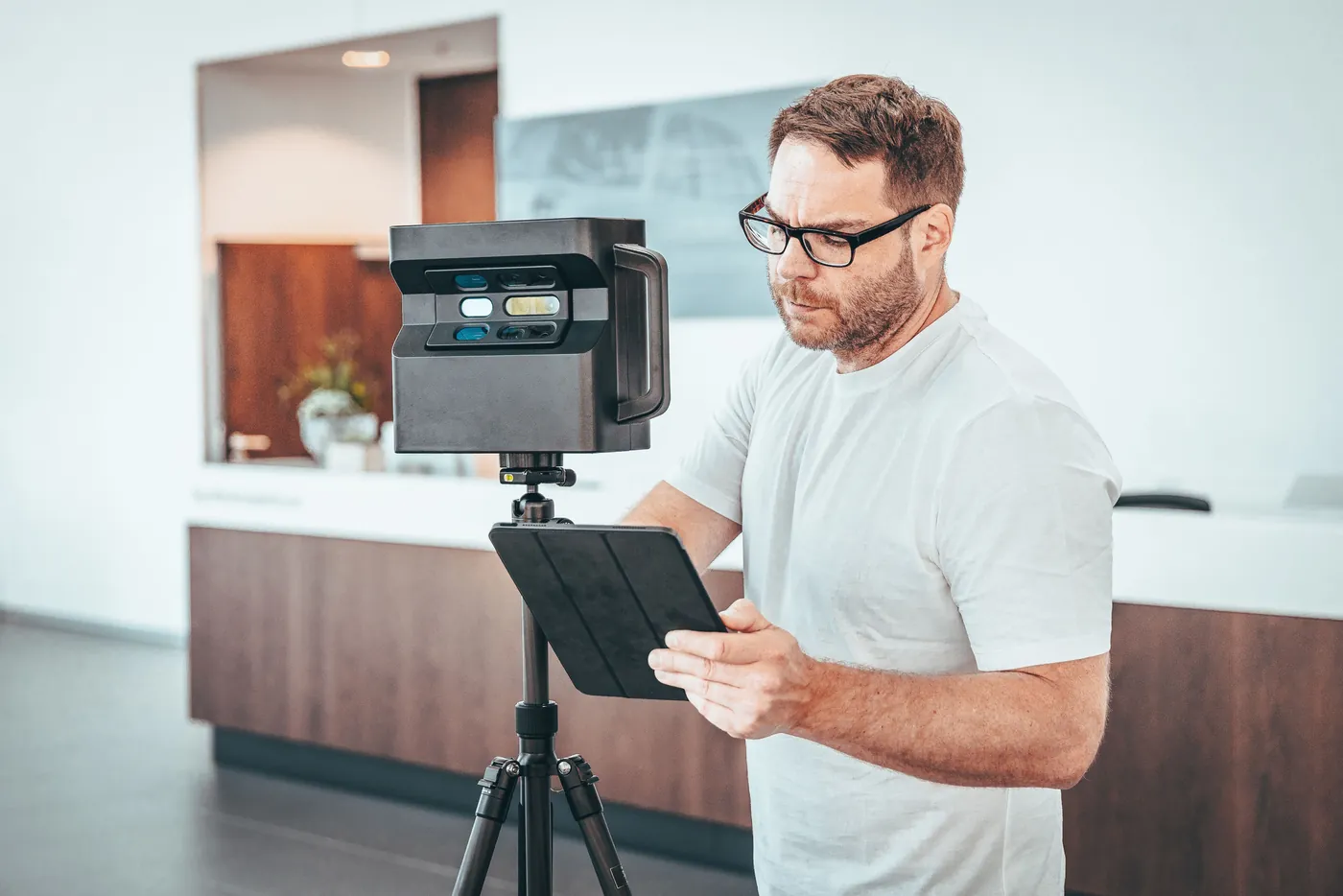
- Show the space and the experience. MICE photography and video from real events, a video WalkAround and a 3D tour for those who can't visit.
- Work the intermediaries. PCOs, DMCs, incentive agencies and convention bureaux: constant contact, fam trips, site inspections.
- Be findable. SEO for MICE searches and visibility in AI assistants, with clear capacity and service information.
- Keep the relationship going. A regular MICE newsletter and a presence on LinkedIn keep you front of mind for whoever is deciding a year from now.
- Respond with proposals, not rate cards. Tailored to the segment, with a suggested layout and ideas.
The content that does most to sell MICE
For congresses
- Technical room sheets with capacities and possible combinations.
- Exhibition area floor plans and attendee flows.
- Accommodation, transport and accessibility information.
- Case studies of past congresses, with the format and the challenges.
For incentives
- Exclusive experiences and one-of-a-kind activities.
- Photos and videos that convey emotion, not just facilities.
- Multi-day programme proposals.
For conventions
- Production and set design capability.
- Ideas for attendee experience and live content.
- Case studies of conventions and kick-offs.
What we've learnt producing MICE
At MC Group we produce corporate and MICE events for major brands: international conventions such as Paradigms in Barcelona and Rome for Frontify, the presence at ISE with Logitech and Microsoft, celebrations such as Noatum's 60th anniversary at MNAC, and the WSEI congress. From the organiser's side, what gets a venue or supplier onto the shortlist tends to be the same: clear information, useful visual material, fast responses and the sense that there won't be any surprises.
That knowledge is what we bring to venue marketing and MICE hotels, and to event suppliers who want to break into this market.
Worked example: a hotel that wants to win more mid-sized congresses
Picture a city hotel with several combinable function rooms that lives mainly off corporate meetings and wants to win mid-sized congresses.
- Segment: mid-sized congresses for professional associations.
- Message: "Congress, exhibition and accommodation under one roof", with proof: combinable rooms, an exhibition area and bedrooms.
- Content: a dedicated congress web page with a room-combination floor plan, a dedicated MICE sales deck and a 3D tour.
- Intermediaries: a list of PCOs in the city and the region, a site inspection for them and contact with the local convention bureau.
- Relationship: a regular MICE newsletter with news and available dates.
- Tracking: a record of every bid, its source and the reason for the outcome.
How to organise MICE sales follow-up
With long decision cycles, anything not written down gets lost. You don't need a complex system, but you do need discipline.
- Log every opportunity: segment, contact, tentative dates, group size and status.
- Note recurring events: many congresses and conventions rotate between cities, and it pays to know when the host destination is next up for decision.
- Record why each one was won or lost. It's the most valuable information you'll have for the next bid.
- Align marketing and sales: the content you publish should answer the objections your sales team hears.
- Plan contact with intermediaries throughout the year, not only when there's an open opportunity.
If you manage several venues or a high volume of requests, a custom tool that centralises opportunities, quotes and follow-up stops information living in each salesperson's inbox. It's one of the custom event apps and tools we build.
Common MICE marketing mistakes
- A single sales deck for every segment.
- Photos of bedrooms and the spa when the organiser is looking for rooms and logistics.
- Expecting instant results in a market with long decision cycles.
- Forgetting the intermediaries and focusing only on the end client.
- Not showing up when someone searches for MICE venues in your city, on Google or in AI assistants.
The role of the destination in MICE marketing
For congresses and incentives, the first decision is often the city. That's why your communication should also add the value of the destination: connections, hotel supply, culture, food, possible experiences. Working with your city's convention or tourism bureau, appearing in their materials and coordinating with other venues and suppliers in the destination helps you compete first as a city, and then as a venue or service.
Where to start
Pick the MICE segment where you're strongest and build a page, a sales deck and a list of intermediaries for it. If you'd like to do it together, from MICE brand strategy to website, audiovisual and newsletter, take a look at our services and tell us which segment you want to win.
FAQ
What does MICE stand for?
MICE stands for Meetings, Incentives, Conferences and Exhibitions. It refers to the market for professional and corporate events.
What is MICE marketing?
It's the marketing that venues, hotels, destinations, DMCs, agencies and suppliers do to win MICE events: brand strategy, content by segment, sales deck, SEO-driven website, audiovisual material, a newsletter and relationships with intermediaries such as PCOs, DMCs and incentive agencies.
How can a hotel win more congresses?
By specialising its communication for congresses (rooms, combinations, exhibition space, accommodation), creating a dedicated page and sales deck, showing the space with visual material and a 3D tour, and consistently building relationships with PCOs and convention bureaux.
Who decides where a congress is held?
It depends on the congress, but the organising committee or association, a professional conference organiser (PCO) and sometimes the city's convention bureau, which supports the destination's bid, are usually involved.