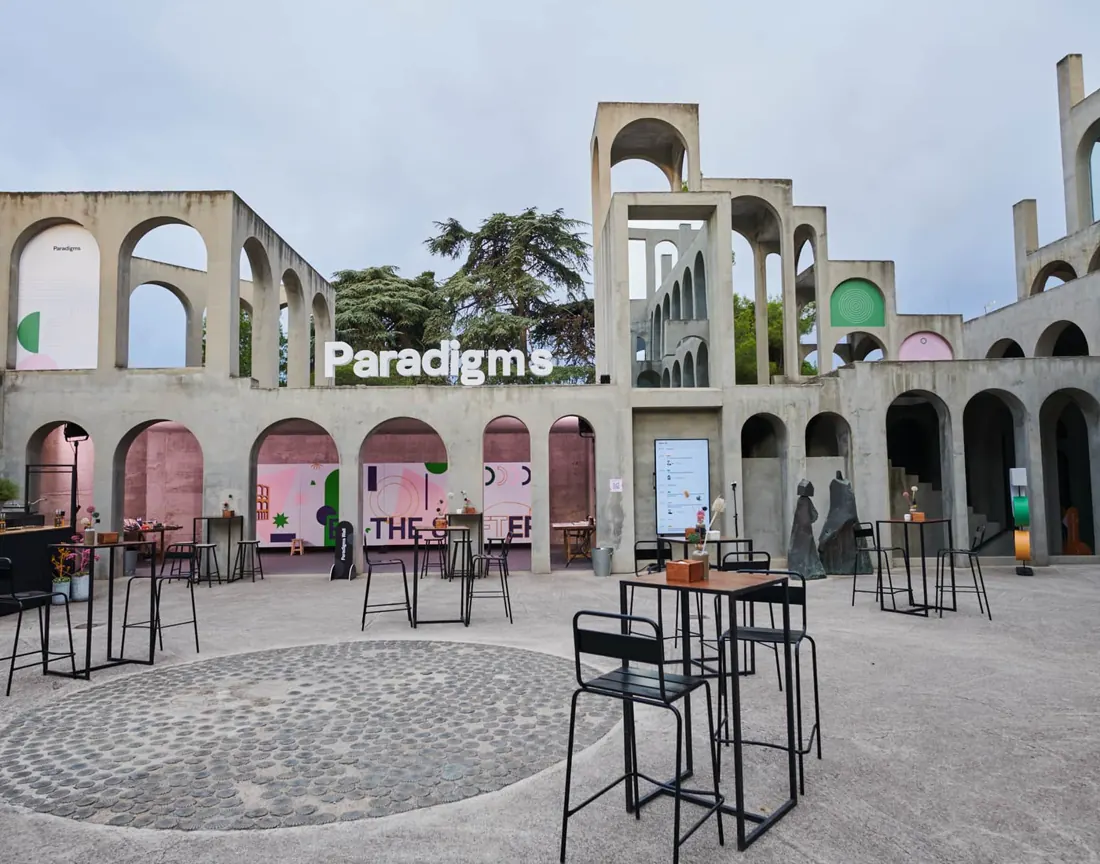
 Nº 01Event
Frontify
 Case study
The Alchemist: Esteve's immersive team building in a 13th-century castle
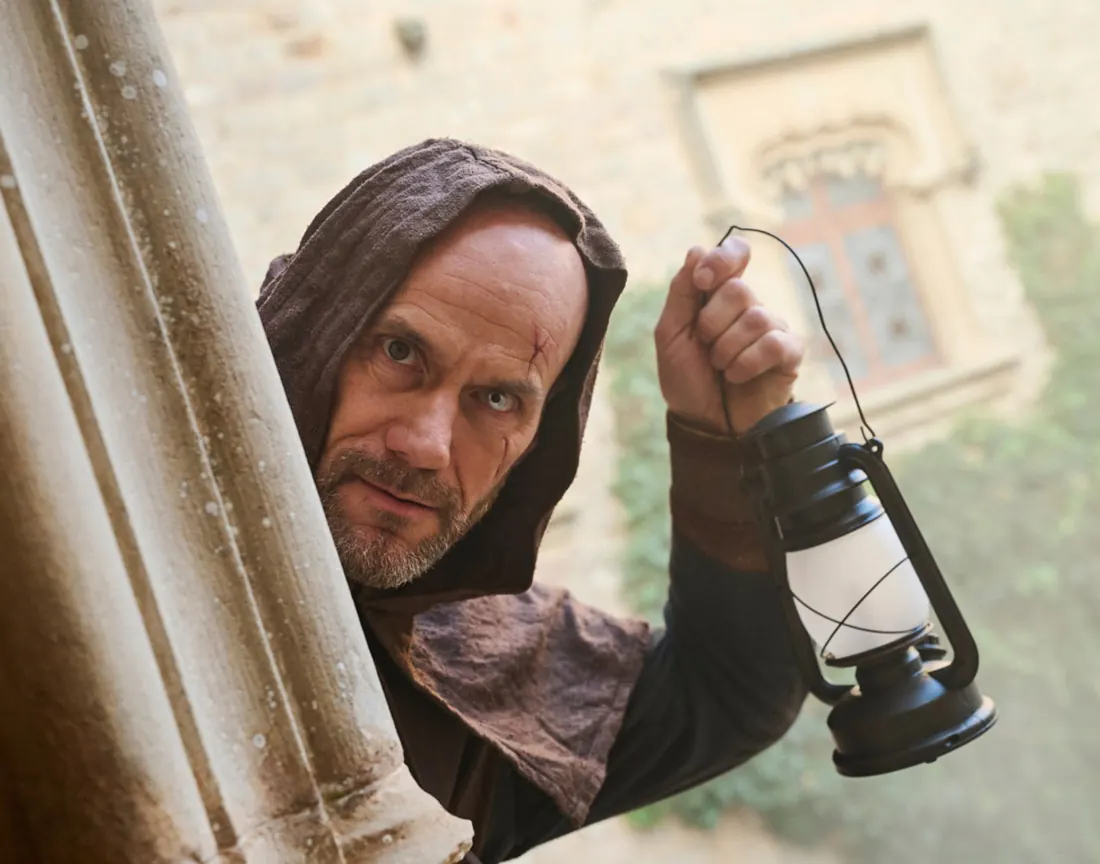
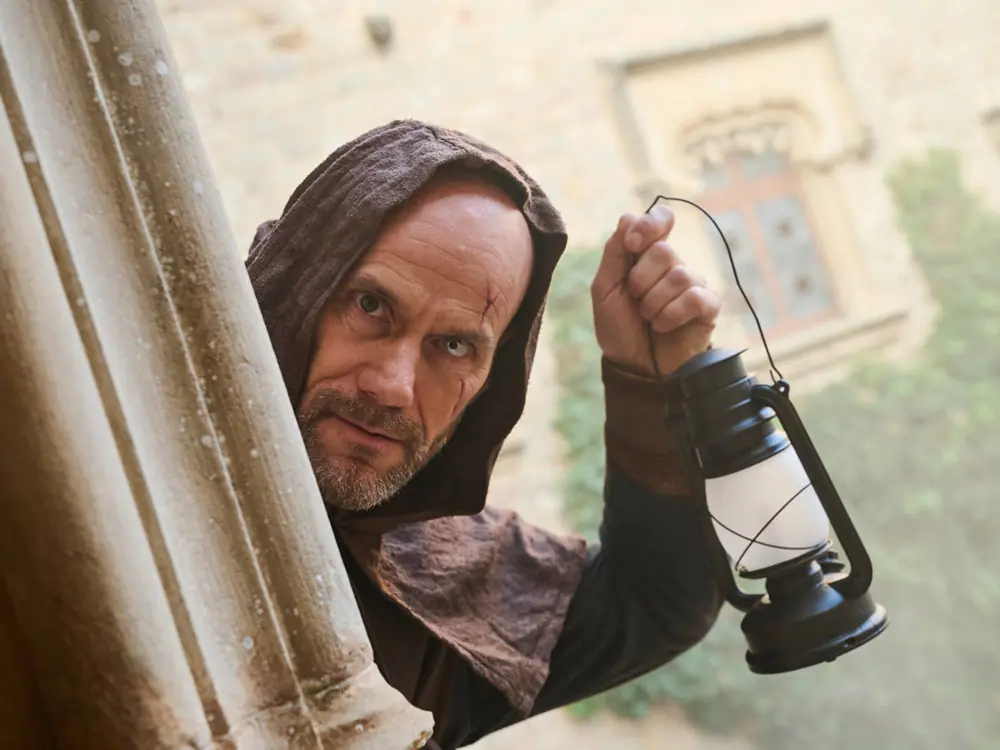
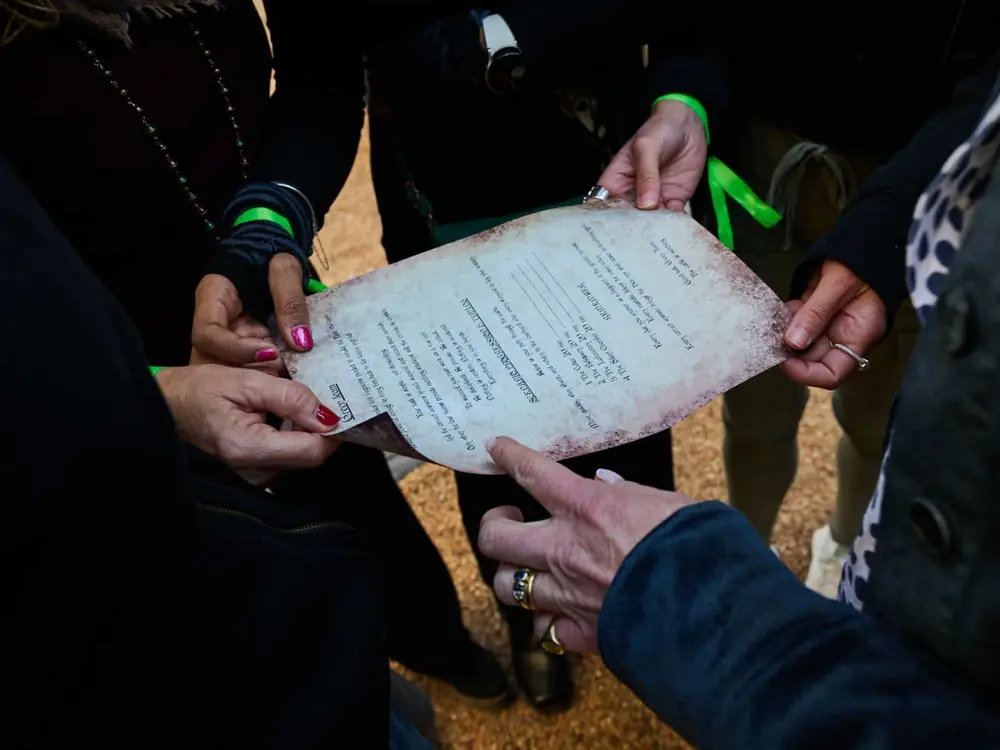
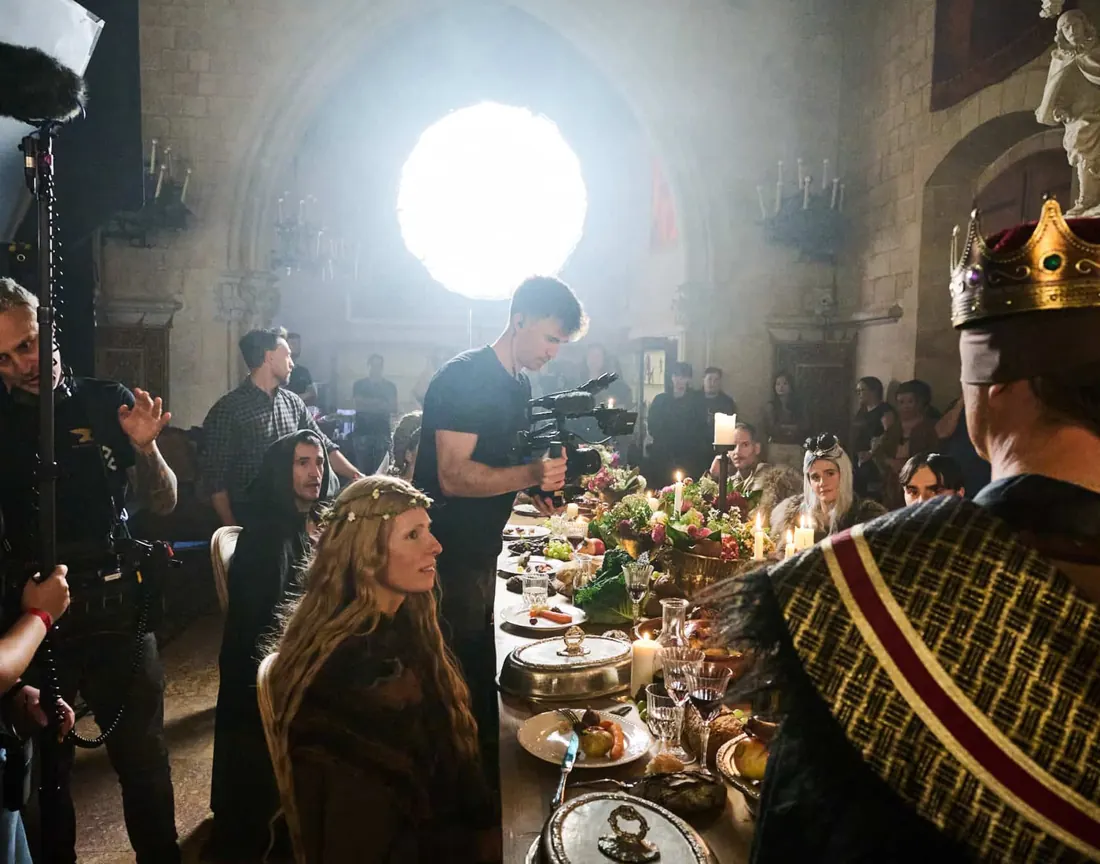
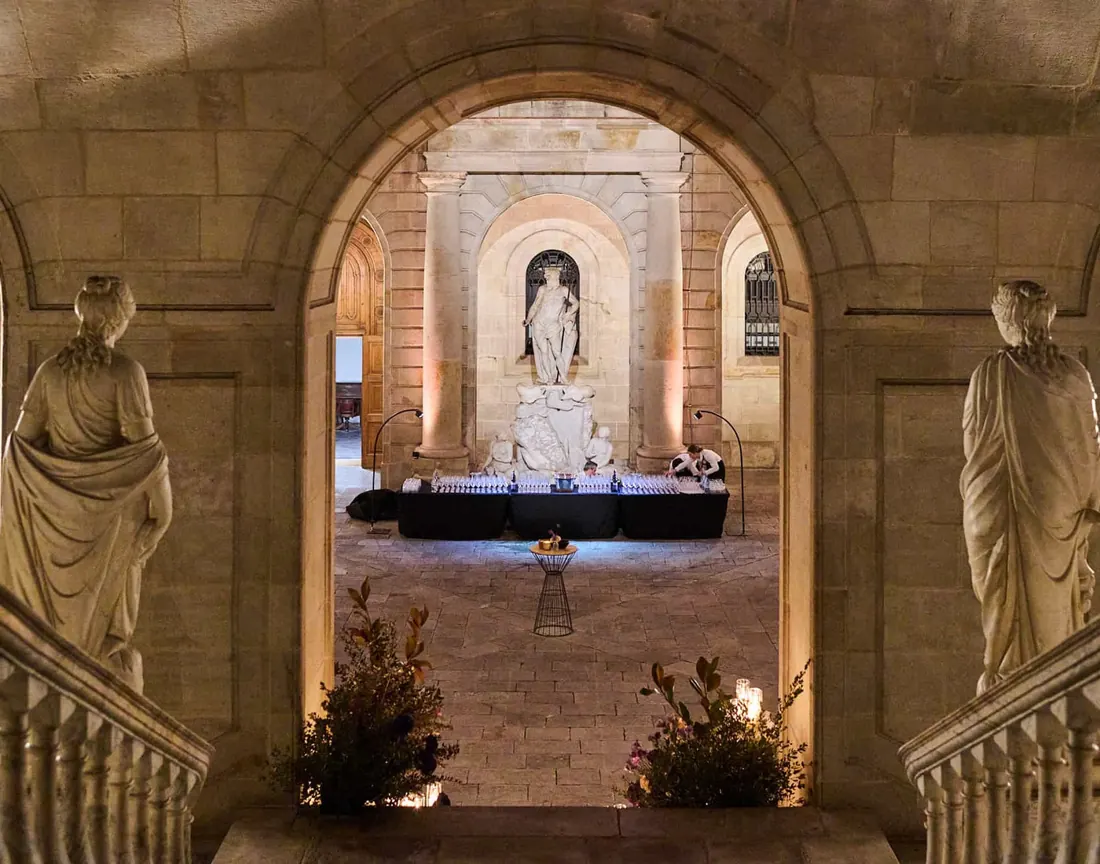
The Alchemist is an immersive team building for leadership teams set in a 13th-century castle. Participants search for the Elixir of Life by solving riddles hidden across four of the castle's rooms.
- ClientEsteve
- Formatteam building
- Place13th-century castle
The challenge
The goal was to strengthen cohesion within leadership teams. It sounds simple and it isn't: senior profiles have usually been through plenty of team activities already, spot a prefabricated exercise immediately and have little patience for games without purpose. With them, the format matters as much as the message.
In a team building for leaders, the challenge is for the activity to trigger the behaviours you want to work on, such as communication, decision-making or adapting to change, without anyone feeling they're in a workshop under another name. And it has to be done with enough production value and storytelling for the experience to be remembered and talked about afterwards. One clarification says a lot about the approach: this is not an escape room.
The idea
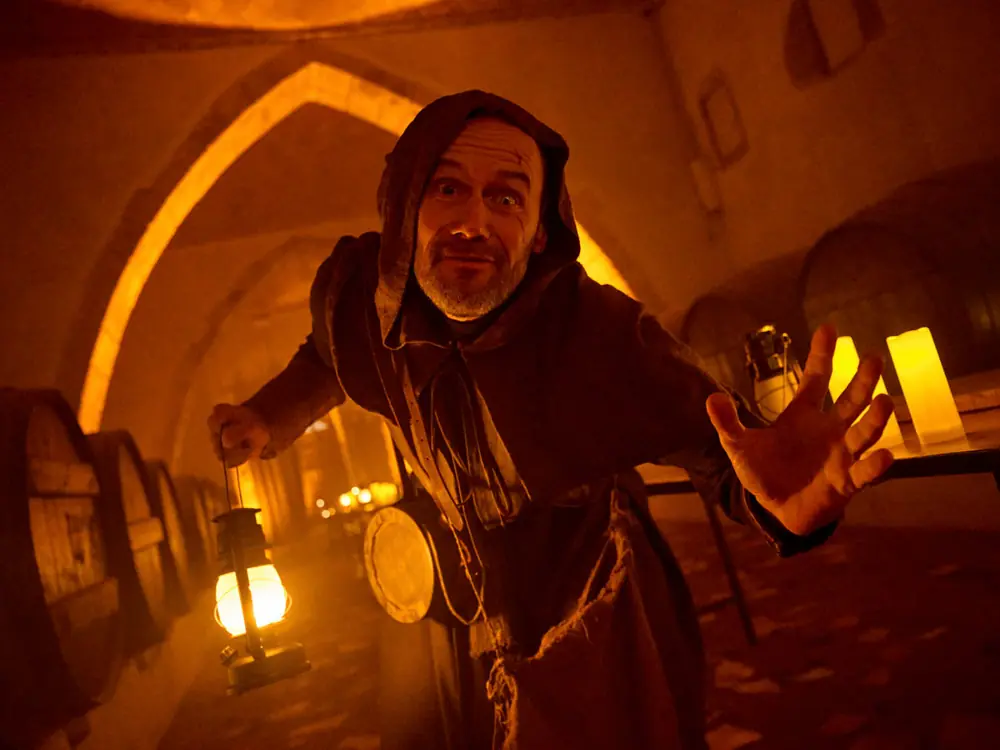
The concept was an alchemy narrative: finding the Elixir of Life in a 13th-century medieval castle by moving through four key rooms, the cellar, the laboratory, the king's chamber and the reliquary, and solving the riddles hidden in them. The idea behind it: “an active metaphor for leadership, communication and the ability to adapt to change”.
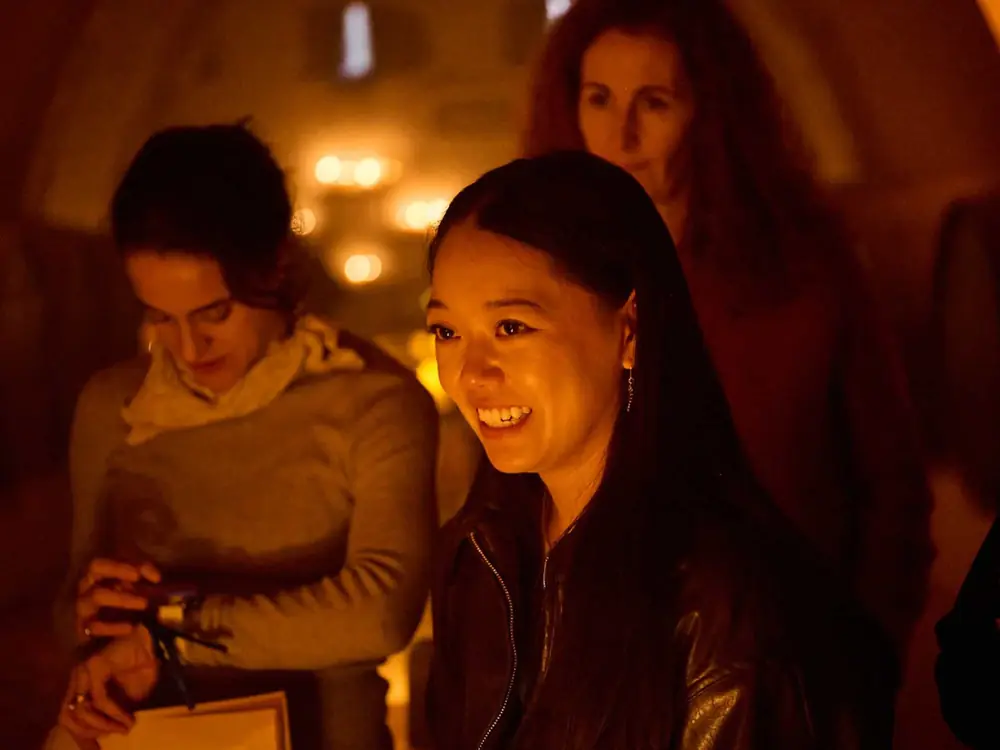
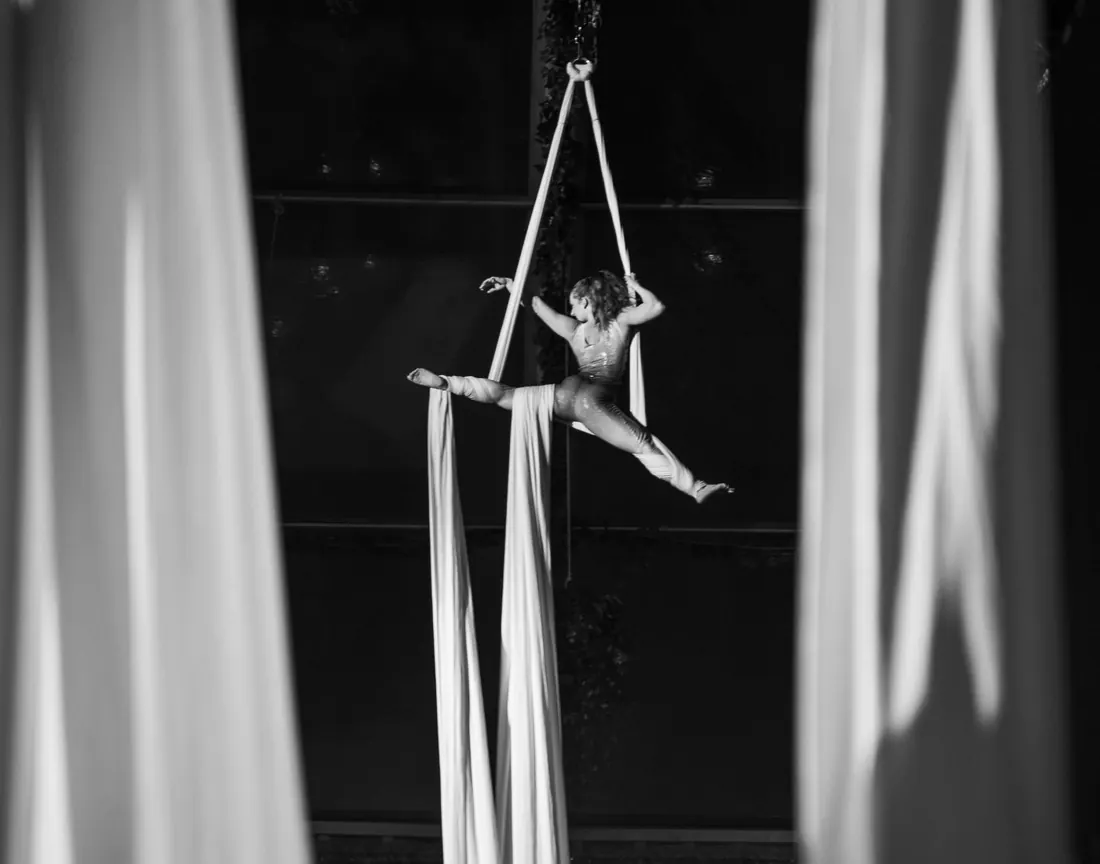
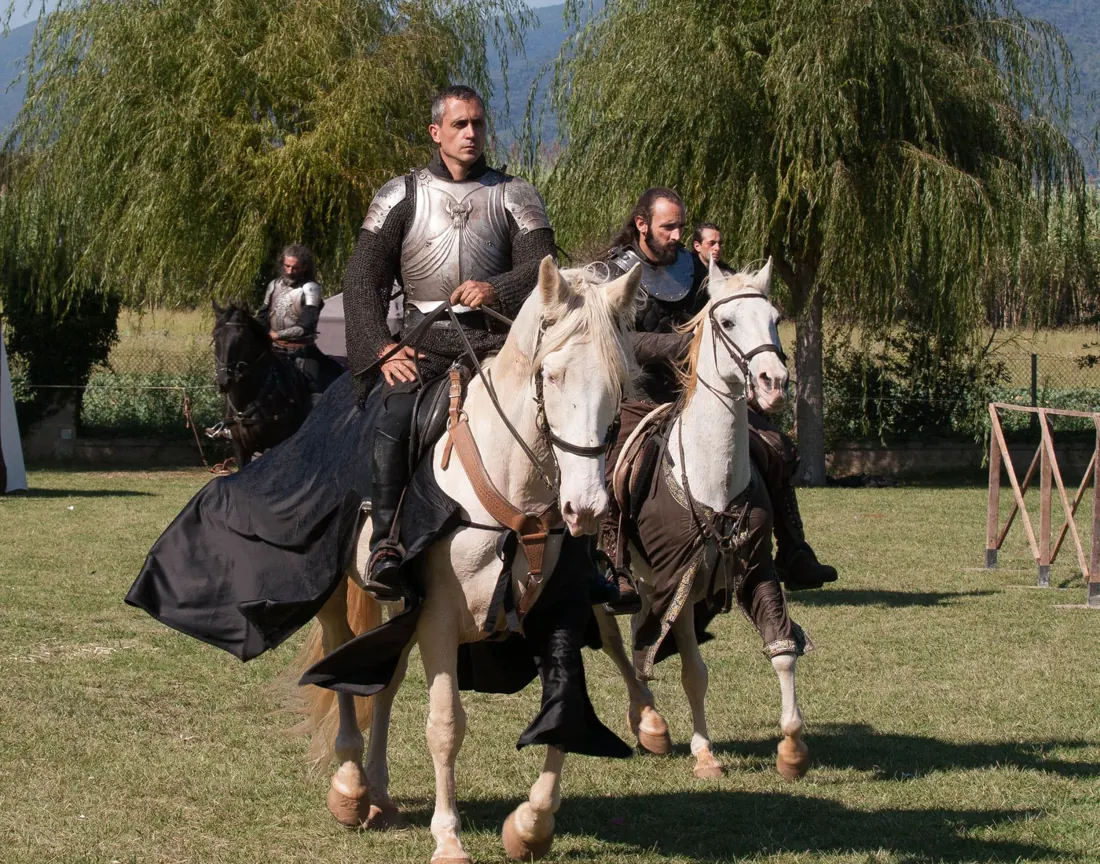
The experience combined collaborative challenges and decision-making with shared food and closing activities. Marca Condal coordinated the whole event: selecting and transforming the castle, script, challenge design, directing the actors, technical and artistic set dressing, music and end-to-end production. It fits because alchemy is exactly that, turning some elements into something else, and because the story gives executives a framework for talking about leadership without it feeling like a training session.
What we did
- Selection and transformation of a 13th-century castle
- Script and alchemy narrative with the Elixir of Life as the goal
- Riddles spread across four rooms: cellar, laboratory, king's chamber and reliquary
- Collaborative and decision-making challenges with directed actors
- Technical and artistic set dressing, music and shared food
- Closing activities and end-to-end event production
Key takeaways (expert view)
For leadership teams, choose a story that works as a metaphor for the change you're after, and set aside real time for the wrap-up.
01
Metaphor before activity
The smart move isn't the castle or the actors, but choosing a metaphor that fits what you want to work on. Alchemy is about transformation, and that connects with leadership and change without needing to be spelled out. For any company commissioning a team building, the useful question isn't which activity to do, but which story best tells the behaviour you want to provoke.
02
It's not an escape room, and you have to say so
Making clear it isn't an escape room is a positioning decision. It sets the format apart from a very widespread offer and puts it in a different category for a senior audience. For experience suppliers, the lesson is clear: if your product looks like something generic, explain what it isn't. Naming the difference helps the client justify the investment internally.
03
The wrap-up turns play into learning
Shared food and closing activities are the bridge between the experience and Monday's work. Without that moment, a team building stays a fun anecdote. With it, the team can put words to what they've been through. Designing the ending with the same intent as the beginning is what separates a leisure activity from an experience that pays back for the company.
More cases
Nº 01Event
Frontify
Happy being just another one?
Let's talk
Tell us what you sell, who to and where it hurts. Within 48 h we'll send you an honest diagnosis and where we'd start.
Get a diagnosis