 Nº 01Event
Frontify
PhilipsCase study
Philips Ethicards: an internal communications campaign on ethics built on real dilemmas
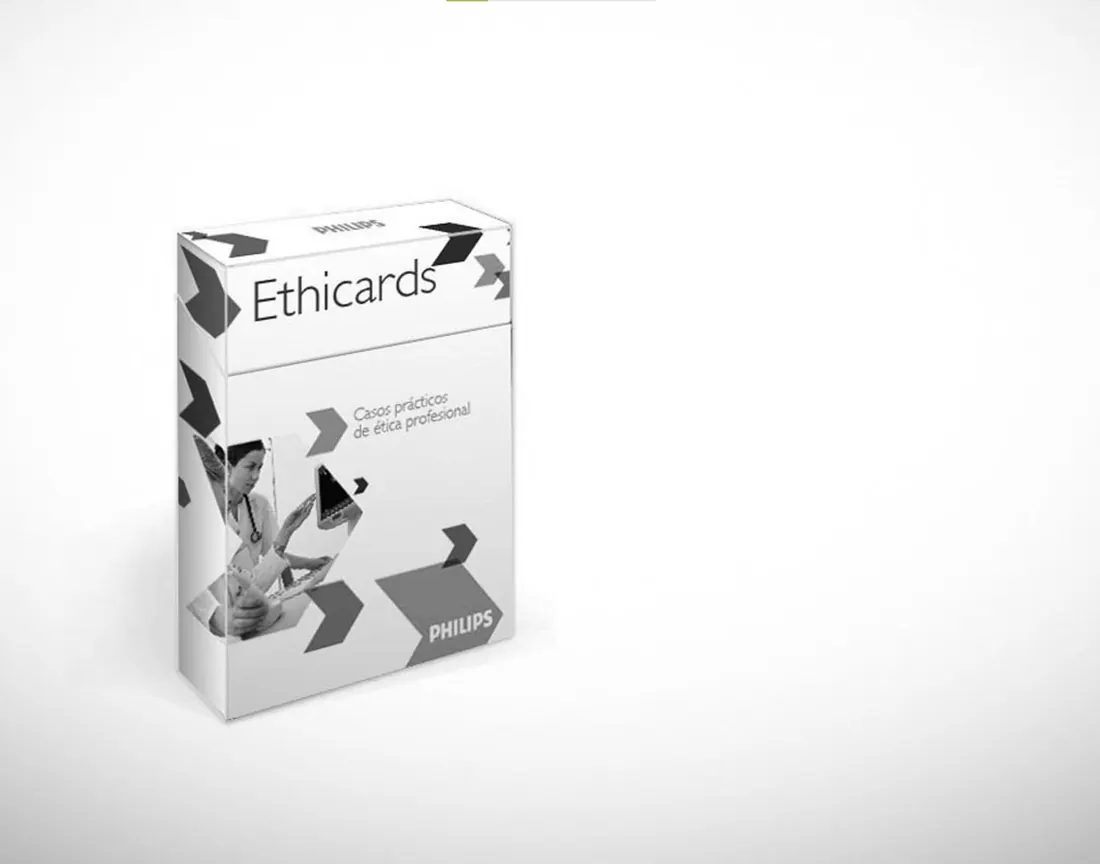
Philips wanted to raise its team’s ethical awareness and embed it in the culture. Ethicards did it with real ethical dilemmas that challenge every employee and lead them to reflect.
- ClientPhilips
- FormatInternal ethics campaign
The challenge
The challenge was to raise the level of ethical awareness among the company’s people and embed it in the culture. Ethics is one of the hardest subjects to communicate internally: everyone believes they are already ethical, and the code of conduct is usually seen as a legal document you sign and put away.
The typical problem with these campaigns is that they fall into one of two extremes. Either they are prescriptive, with lists of what you cannot do, or they are so generic nobody feels it applies to them. For ethics to become part of the culture, each person has to face situations where the right answer is not obvious. And there was an additional brand requirement: the campaign had to support the company’s promise, “Sense & simplicity”, which demanded clarity and simplicity on a subject that tends to get complicated.
The idea
The idea was to build an internal communications campaign around real ethical dilemmas that would challenge every employee and lead them to reflect, supporting the company’s promise, “Sense & simplicity”.
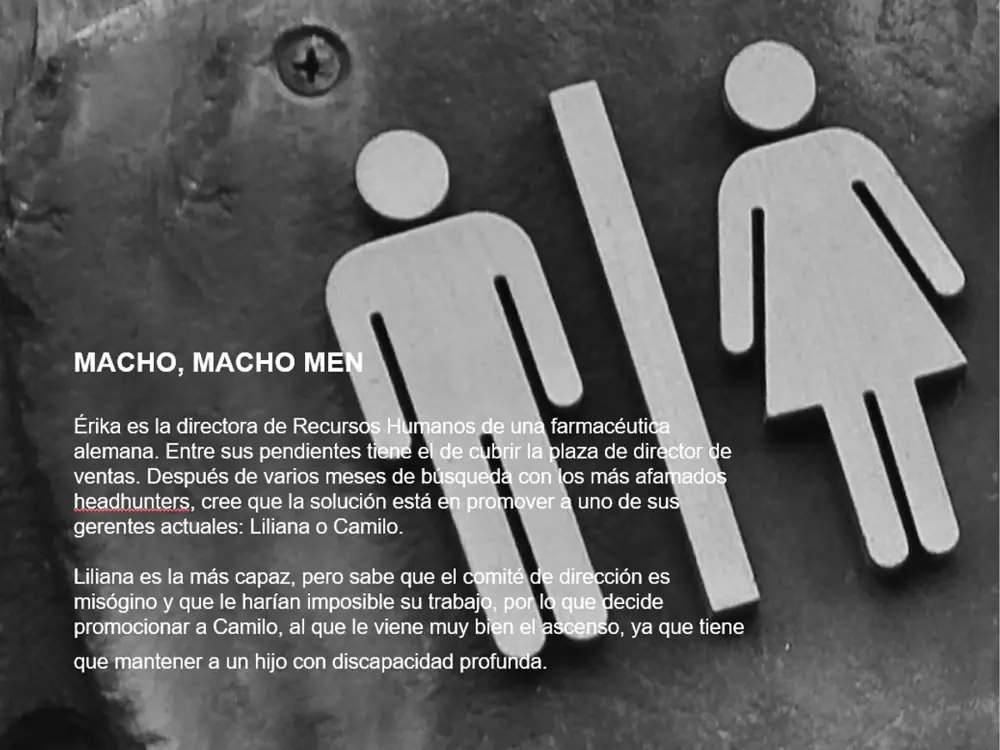
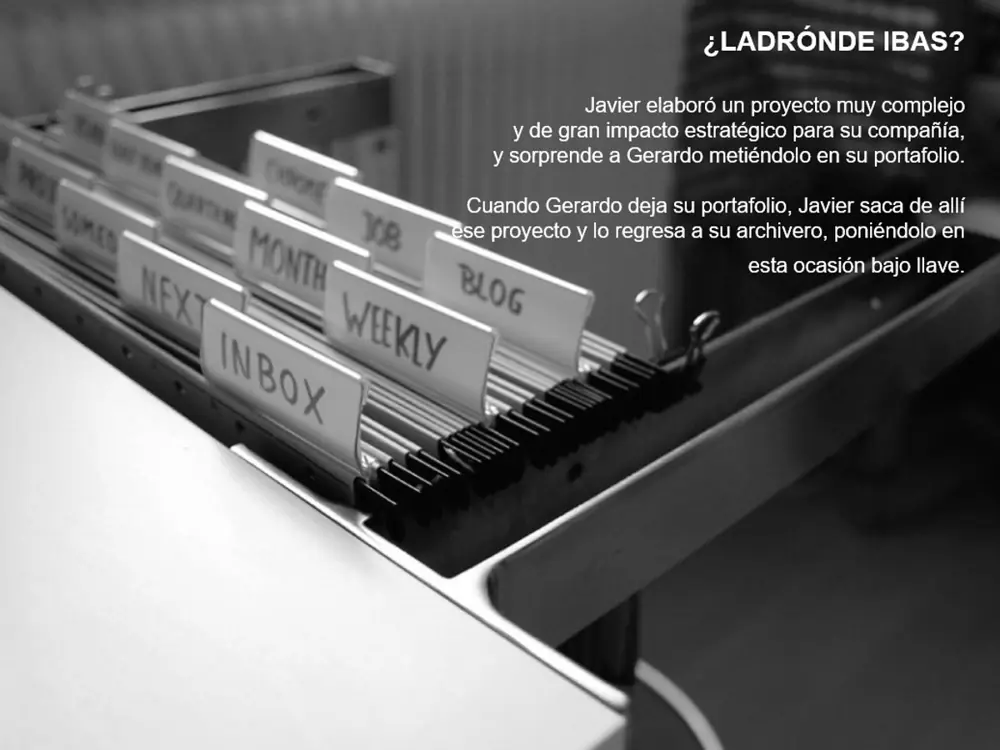
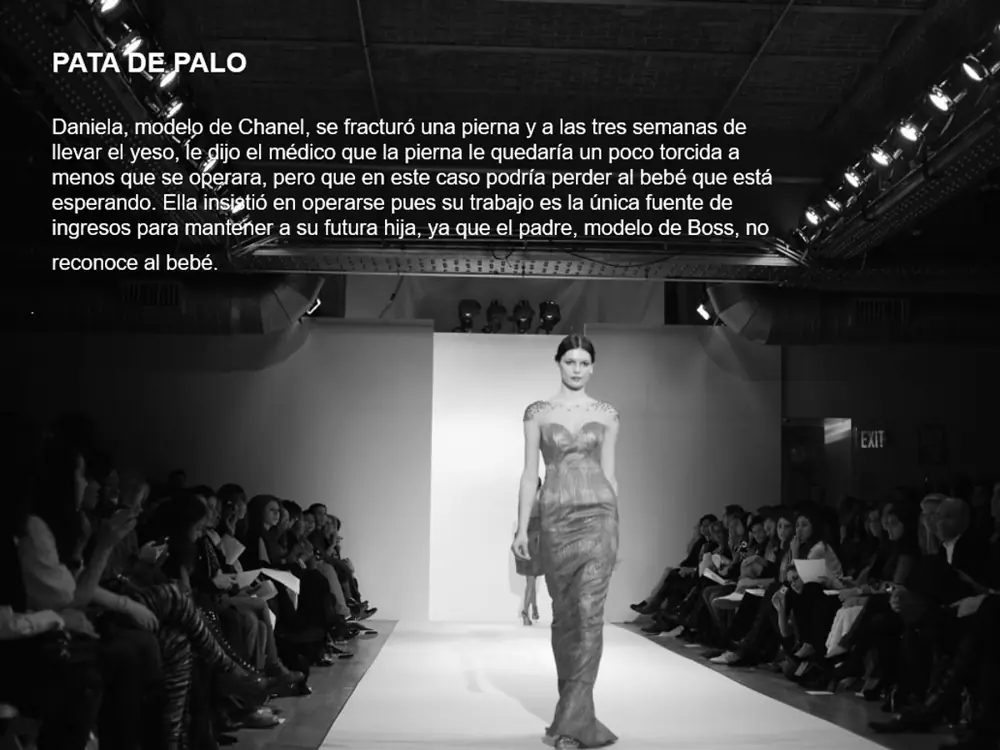
The dilemma is the natural format of ethics: it does not tell you what to think, it makes you think. By presenting real situations, employees recognise themselves in them and have to decide, which turns an abstract subject into a concrete conversation. The name, Ethicards, points to a card format, quick and easy to share. It also fits the brand promise: bringing ethics down to simple, understandable cases is applying “Sense & simplicity” to internal communications itself. The work covered the creative concept, the art direction and the building of the stories.
What we did
- Creative concept Ethicards
- Stories built on real ethical dilemmas
- Campaign art direction
- Campaign aligned with the “Sense & simplicity” promise

Key takeaways (expert view)
If you want your team to think about ethics, do not give them rules: give them real dilemmas and let them decide.
01
Ask instead of forbid
A code of conduct tells you what not to do; a dilemma asks what you would do. That change of grammatical mood is what gets employees involved. Any brand that wants to instil a value in its culture should frame it as a question. In the events industry, with quick decisions about suppliers, gifts or budgets, real dilemmas are especially useful.
02
Real stories, not textbook cases
Building the stories was a central part of the work. A credible dilemma sparks conversation; a made-up one breeds scepticism. Narrative quality decides whether an ethics campaign gets discussed over coffee or ignored. Investing in good stories is investing in credibility, and that holds for internal and external communications alike.
03
The brand promise is for the inside too
Supporting “Sense & simplicity” in an internal campaign shows consistency: the company applies its own promise to how it talks to its team. It is a useful reminder for venues, suppliers and agencies: the brand does not end at the website. If your external promise does not show in your internal communications, sooner or later the client notices.
More cases
Nº 01Event
Frontify






Happy being just another one?
Let's talk
Tell us what you sell, who to and where it hurts. Within 48 h we'll send you an honest diagnosis and where we'd start.
Get a diagnosis